Table of Content
Therefore, the fruits and vegetables produced are free of harmful and toxic chemicals that can enter your body. Moreover, they also contain higher minerals and vitamins than non-organic plants. In order to be certified organic, a farm must abide by restrictions on the types of chemical insecticides and fertilizers they can use. A pristine lawn is a lot of work and, depending on your climate, may require a lot of fertilizer and water to keep green.
Starting an organic garden requires you to follow the right steps involved. If you are a beginner, you have to implement certain practices when starting an organic garden. This way, it will be much simpler to grow healthy crops. From the early years, farmers have used crop rotation to improve the quality of planting soil. Crop rotation involves moving your plants to a different section of your garden from time to time, at least once a year.
Apply organic compost
Don’t use weed killer or plant flowers that attract pollinators. Just let nature do its thing for a healthy garden climate. Companion planting helps you control pests, diseases and obtain higher yields.
To be a true organic garden, your plants should be completely free of chemical fertilizers and pesticides. Even if you've never gardened before, you can start your own organic garden to grow flowers, fruits, or vegetables. We'll help you get started, from choosing your site to helping your plants thrive. September is an excellent month for adding compost and manure to your garden. When weeds appear, get rid of them as quickly as possible. While you can remove them with a hoe or other tools, hand-picking is a less invasive and more natural way to get rid of them from your garden.
Top Organic Gardening Tools
If you do find pests in your garden, there are a variety of organic and chemical controls that can be used to get rid of them. Diseases can be more difficult to control, but there are many products available that can help to prevent or treat them. By taking measures to control pests and diseases, you can help to ensure that your garden is healthy and productive. When planning your garden, first decide what vegetables you would like to grow. Once you’ve made your selections, research which vegetables are best suited for your climate and soil type. Next, choose a location for your garden that receives plenty of sunlight and has good drainage.
Some are as simple as soapy water to control aphids, mites, beetles and other hungry critters. Benefits of organic gardening are widespread and go much further than just the yield from a season’s crop. They can include everything from water conservation to soil and environmental health to plant diversity. All of the benefits will generally fall into one of two categories. Either a positive environmental impact or a reduction in consuming pesticides and chemicals when food is eaten.
Organic Gardening Magazine
Once you’re there, you will surely come across various local varieties that will help you fill your garden. Organic gardening is a popular and rewarding hobby enjoyed by people of all ages. Not only is it a great way to get outdoors and enjoy the fresh air, but it also allows you to reap the benefits of fresh, homegrown produce.

Basil also improves growth and flavor as well as prevents disease. Another thing you should do to prepare your soil for organic gardening is mulching. Mulching is essential in preventing the growth of weeds. Mulch is often made from grass clippings, hay, straw and shredded bark.
If you’re starting an organic garden at home, it makes sense that the seeds or seedlings you plant be organic as well. Look for seeds that are certified organic and have the USDA seal on the packets. You can typically find them at your local farmers’ market. You can also purchase them through seed catalogs that specialize in organic seeds. Help plants thrive in your garden by choosing a location that provides plenty of light and high-quality soil.

Maintaining the proper levels of air in your soil requires you to add organic matter and compost. Farming experts report that soil should contain at least 25% of air. The majority of individuals often think they need a lot of space and capital to start an organic garden. Suppose you have limited garden space; consider growing your plants vertically or in a pot. If you use a potting plant, place it next to the window or your porch area to ensure it receives sufficient levels of sunlight. All you have to do is follow all the proper steps involved.
Pests can take over your garden if you don’t pay attention; fortunately there are a number of natural ways you can fight back. If it’s practical, you can start by placing a few natural predators in the garden such as frogs, toads and lizards. Not only will they eat the offending bugs but will also delight any small children who spot them. Birds will also pick off the pests, so consider putting a birdbath in the yard to welcome them. As mentioned earlier, organic vegetables have a shorter lifespan compared to inorganic vegetables. So, you have to implement the correct storage techniques.
An increase in added organic matter to soil when preparing it for planting also reduces soil erosion over time. The first step before organic gardening at home is to test the soil in your garden to see if it has the proper nutrients to support your plants. You also want to be sure the soil is free of harmful contaminants like lead or chemicals that can get into your food. For a nominal fee, you’ll get a breakdown of the soil as well as treatment suggestions.
I actually find rubber gloves work well, since garden gloves can be a bit too thick for some planting jobs. Organic mulch can be made of hay, straw, wood chips, or manure. You could even use your compost as a mulch layer for mature plants where you are not able to dig it into the soil. If your soil is too sandy, you can dig in lots of organic matter, like well rotted manure or compost.
To make it work, anything you are planting should get no less than 6 hours of daylight and adequate water. Another option is to send a soil sample out for testing. Depending on the soil’s baseline levels, you may need to add a high-quality compost. Home-compost piles are a great resource, but if your compost is not ready, adding in an organic all-purpose soil in the top few inches is a good alternative.
Step 1: Choose your preferred location
Organic gardening is a method of gardening that relies on naturally-occurring materials, such as compost, to fertilize and condition the soil. Organic gardens also avoid the use of synthetic pesticides and herbicides. There are many benefits to organic gardening, including the fact that it is better for the environment. Organic gardens also tend to produce healthier vegetables, as they are not exposed to harmful chemicals. In addition, organic gardening can be more economical than traditional methods, as it does not require the purchase of costly fertilizers and pesticides.
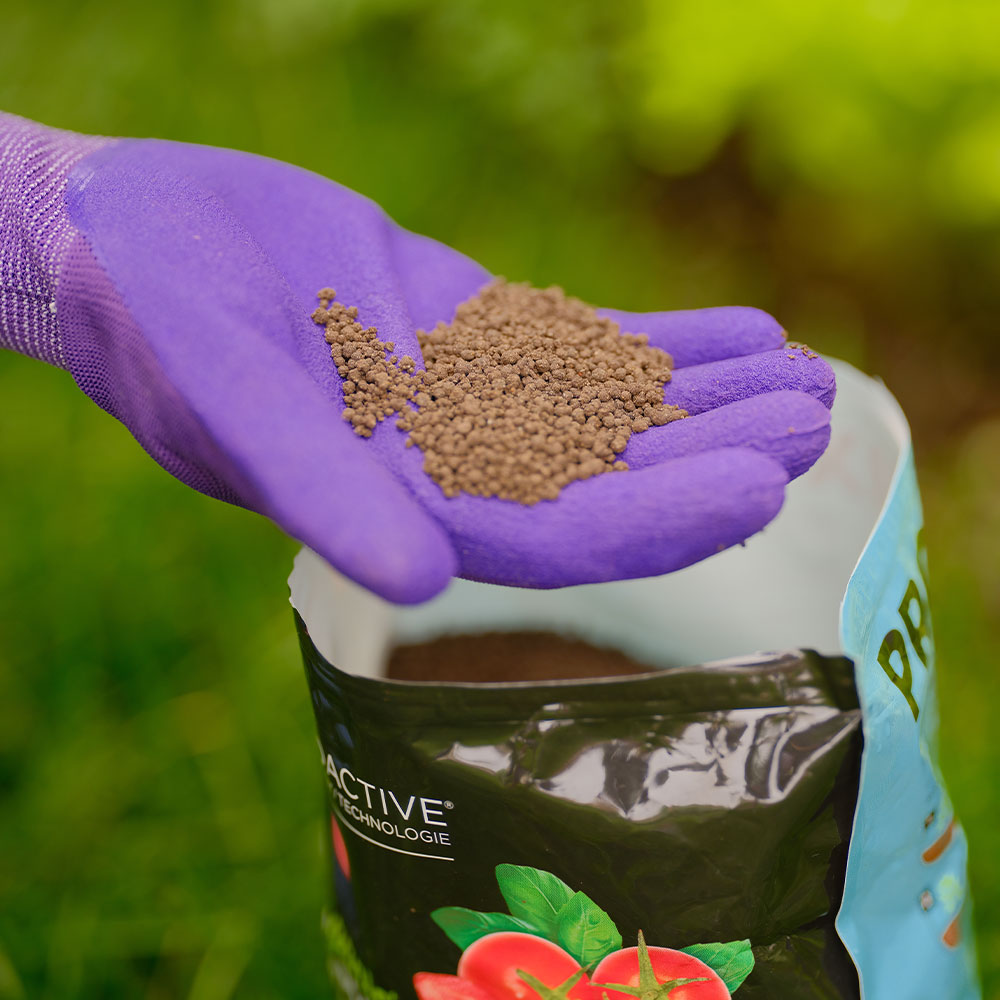
Growing your own organic vegetables and herbs may seem like a lot of work, but it’s really not that difficult. When planting an organic vegetable garden, you have to ensure that all nutrients are present in the soil. Afterward, apply the compost to the top layer of the soil.